
If jaw pain, facial tension, headaches, or clicking sounds are disrupting your daily life, you are not alone. TMJ disorder and orofacial pain affect millions of people and can interfere with eating, speaking, sleeping, and overall comfort. At Rockville Family Dental, we provide advanced, patient-focused TMJ treatment designed to identify the root cause of your discomfort and create lasting relief.
Many patients live with chronic jaw discomfort for years without realizing their symptoms are connected. TMJ disorders can affect far more than the jaw joint itself. Because the temporomandibular joints are connected to muscles, nerves, posture, airway health, and sleep quality, even small imbalances can create widespread symptoms throughout the head and neck.
At Rockville Family Dental, we focus on finding the underlying source of pain instead of simply masking symptoms. Our comprehensive evaluations allow us to create customized treatment plans that improve jaw function, reduce inflammation, and restore comfort naturally.
Patients with TMJ dysfunction or orofacial pain may experience:
These symptoms may appear gradually or suddenly and often worsen during periods of stress, poor sleep, or muscle tension.
TMJ disorders rarely come from a single issue. In many cases, several contributing factors work together to overload the jaw joints and surrounding muscles.
When teeth do not fit together properly, the jaw muscles compensate by shifting the jaw into unnatural positions. Over time, this creates strain on the joints and muscles.
Nighttime clenching and grinding place tremendous pressure on the TMJ. Many patients grind unconsciously while sleeping, especially when airway problems or stress are involved.
Patients with sleep apnea or restricted airways often push the jaw forward during sleep to improve breathing. This repetitive movement places excess tension on the TMJ and facial muscles.
Stress frequently contributes to jaw clenching, facial tension, and muscle fatigue. Emotional stress can significantly worsen TMJ symptoms.
Forward head posture and neck imbalance can alter jaw positioning and create tension throughout the facial muscles and jaw joints.
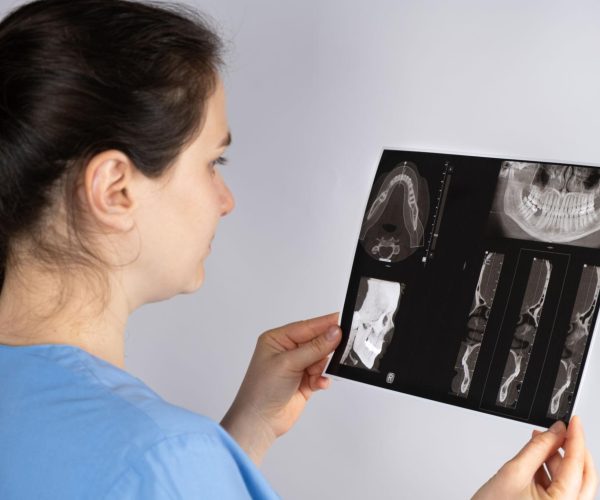
Unlike practices that focus only on the jaw joint itself, we evaluate the entire oral and facial system. Our diagnostic approach helps identify the true source of discomfort and improves treatment outcomes.
This complete approach helps us develop highly personalized treatment plans for long-term symptom relief.
Every patient experiences TMJ differently, which is why treatment should never be one-size-fits-all.
A custom-made stabilization appliance can reduce joint pressure, protect teeth from grinding, and relax overworked muscles. These appliances are carefully designed for comfort and long-term effectiveness.
When bite imbalances contribute to jaw stress, selective adjustments may help improve jaw alignment and reduce tension.
Botox can relax overactive jaw muscles responsible for clenching and tension headaches. Many patients experience significant relief within days of treatment.
Addressing airway restrictions and sleep-disordered breathing often improves nighttime grinding and muscle strain associated with TMJ problems.
Myofunctional therapy strengthens the muscles of the face and tongue while improving breathing patterns, swallowing mechanics, and oral posture.
In some patients, narrow dental arches or improper tooth alignment contribute to chronic jaw dysfunction. Orthodontic treatment may help stabilize the bite and improve long-term comfort.
Patients throughout Rockville and surrounding communities trust our team because we combine modern technology with a comprehensive understanding of jaw function, airway health, and facial balance.
Our goal is not only to reduce pain but also to improve overall quality of life, sleep, breathing, and long-term oral health.
Many people are surprised to learn that TMJ disorders and sleep apnea are often closely connected. When breathing becomes restricted during sleep, the body instinctively activates the jaw muscles to reopen the airway. This repeated strain may lead to:
By evaluating airway health alongside jaw function, we can create more complete and effective treatment plans.
You should schedule an evaluation if you experience:
Early treatment can help prevent worsening symptoms and long-term joint damage.
Mild cases may improve temporarily, but untreated TMJ dysfunction often worsens over time. Early diagnosis and treatment help prevent chronic pain and joint damage.
Most TMJ treatments are conservative and non-invasive. Our goal is to reduce discomfort while restoring healthy jaw function comfortably.
Yes. TMJ dysfunction may contribute to dizziness, ear pressure, and balance issues because of the close relationship between the jaw joints and surrounding nerves and muscles.
Most patients improve significantly without surgery. Conservative treatments such as oral appliances, bite therapy, and airway-focused care are often highly effective.
Treatment timelines vary depending on the severity and underlying cause of the condition. Some patients notice improvement within weeks, while more complex cases require longer-term care.
Copyright © 2025 Rockville Family Dental | All Right Reserved.