Many people are surprised to learn that the position of the tongue, lips, and facial muscles affects far more than just the smile. Improper oral muscle function can contribute to breathing disorders, poor sleep quality, orthodontic relapse, speech challenges, and even facial growth concerns in children.
Myofunctional therapy focuses on restoring healthy oral habits that support long-term wellness. By training the muscles to function correctly, patients often experience improvements in sleep, breathing, concentration, posture, swallowing, and overall comfort.
Many symptoms of oral dysfunction are easy to overlook because they develop gradually over time. Early intervention can help prevent future orthodontic and airway complications.
When left untreated, these habits can affect jaw growth, airway development, and facial symmetry.

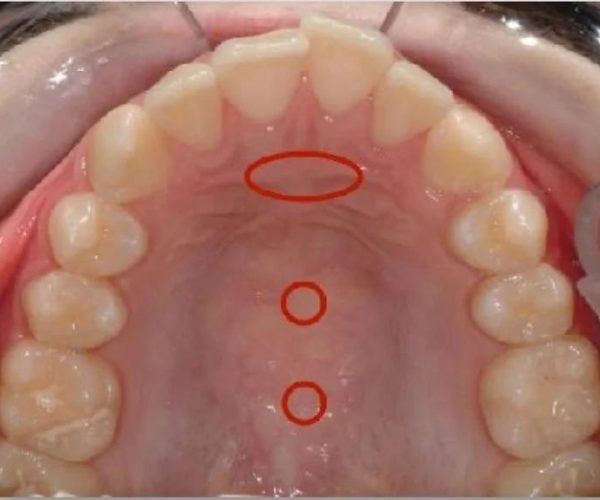
Myofunctional therapy is not only for children. Adults can also benefit greatly from improving tongue posture and oral muscle coordination.
Improving muscle balance can support healthier breathing patterns and reduce unnecessary strain on the jaw and facial muscles.
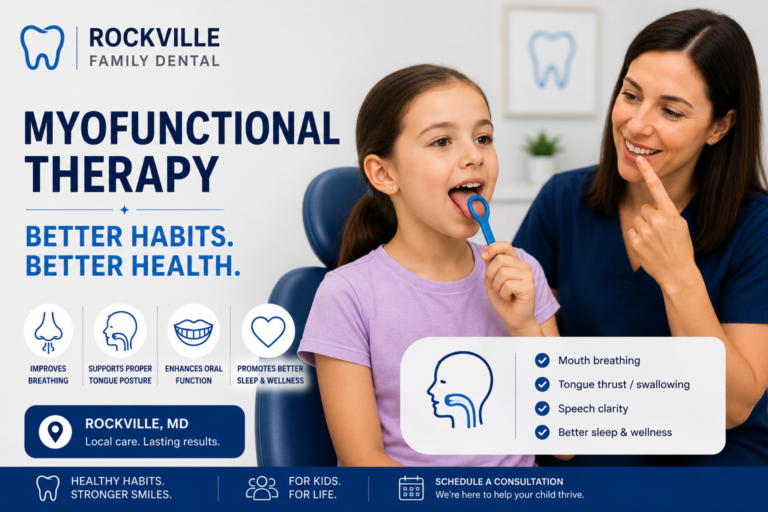
One of the biggest goals of myofunctional therapy is encouraging healthy nasal breathing.
Breathing through the nose helps:
Mouth breathing, on the other hand, may increase the risk of gum disease, cavities, poor sleep, and improper facial growth patterns.
Many patients who struggle with snoring or poor sleep habits discover that oral muscle dysfunction plays a major role.
Low tongue posture and weak oral muscles can contribute to airway restriction during sleep. Therapy helps train the tongue to rest properly against the palate while encouraging healthier breathing habits.
Patients often report improvements in:
Myofunctional therapy may also work alongside sleep apnea treatment and orthodontic care for more complete airway support.
Orthodontic treatment aligns the teeth, but oral muscles influence whether those teeth remain stable long term.
If tongue thrusting, improper swallowing, or mouth breathing continue after braces or Invisalign treatment, teeth may gradually shift again.
Myofunctional therapy helps protect orthodontic results by:
This is why many airway-focused orthodontic and dental practices now recommend myofunctional therapy as part of comprehensive care.
Therapy sessions may include simple exercises designed to strengthen and retrain oral muscles.
Exercises often focus on:
These exercises are gentle, non-invasive, and customized to each patient’s needs.
Early treatment allows children to develop healthier breathing and growth patterns before permanent problems occur.
Correcting oral dysfunction early may help reduce the risk of:
Parents who notice signs of mouth breathing or poor sleep should schedule an evaluation as soon as possible.
Patients choose Rockville Family Dental because we focus on comprehensive oral health, airway support, and personalized care.
We proudly serve patients from Rockville, Potomac, Bethesda, North Bethesda, Gaithersburg, Silver Spring, and surrounding Maryland communities.
Yes. One of the primary goals of myofunctional therapy is retraining the muscles to encourage healthy nasal breathing instead of chronic mouth breathing.
Yes. Therapy helps improve muscle function and tongue posture, which can support more stable orthodontic results after braces or Invisalign.
Coverage varies depending on the insurance provider and treatment plan. Our team can help review your benefits and discuss available options.
Most patients attend weekly or bi-weekly appointments while practicing short exercises at home each day.
Yes. Myofunctional therapy is non-invasive and designed to gently improve healthy oral habits and muscle coordination.
Absolutely. Adults of all ages can improve breathing patterns, tongue posture, jaw comfort, and sleep quality through myofunctional therapy.
Copyright © 2025 Rockville Family Dental | All Right Reserved.